UNESCO (2015) A guide for gender equality in teacher education policy and practices. France: UNESCO, pp. 1-112.
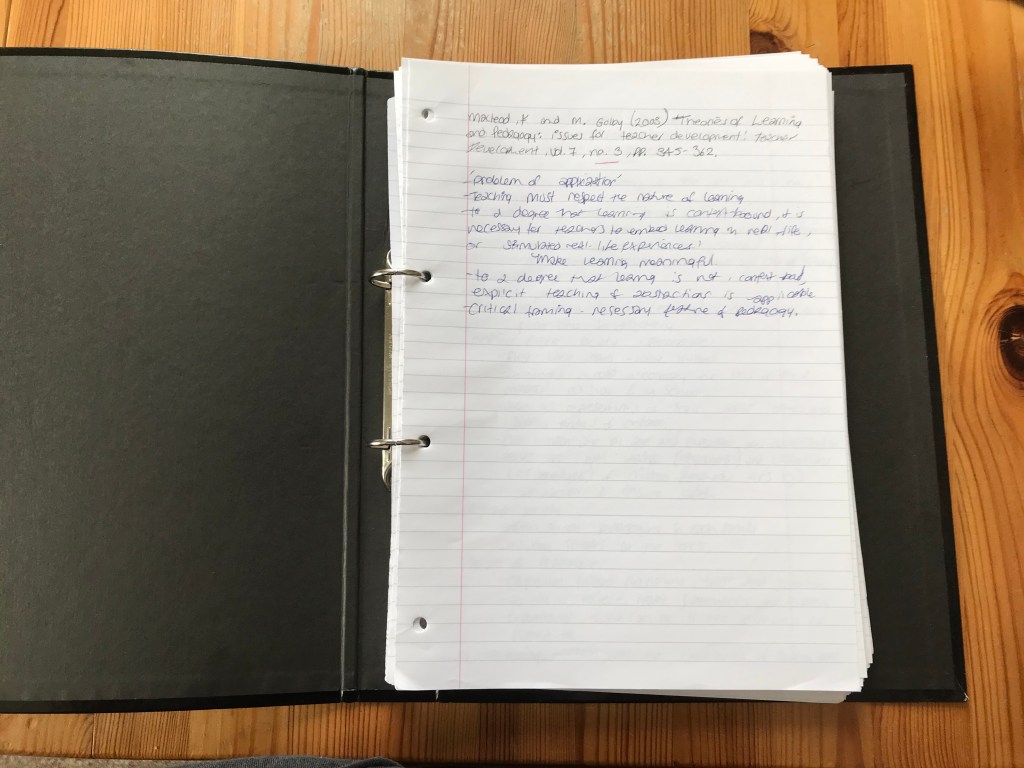
UNESCO released a guide for teachers to promote gender inequality in their institutions. This guide has helped my third chapter of my essay for Contextual Studies when I look at pedagogy.
The guide raises point such as that gender roles Are a learnt behaviour which can be fixed by education and training. The guide looks at the differences in cultures and within different cultures. Cultures and institutions are moulded by the people in charge.
To help the problem, support is needed. For teachers and for pupils, this way it can help the way teachers approach their students and in turn will help the pupils classroom experience. The problem with a curriculum is that it allows leeway for teachers to bring their own views, prejudices and views, this can have a negative effect on the pupils. Pedagogy will help these issues. Teachers should use gender neutral methods and directives.
This guides also looks at a study conducted by Grace and Gravestock in 2009. This study looked at gender biases in classrooms. For example male students were given longer to answer a question and teachers would often interrupt female students.
Gender stereotyping comes into play. Men are seen as active, strong and often rational, this is in contrast to women who are seen as passive, weak and emotional. This studies hopes that teachers will be aware of these issues and try and combat them. They need to stop using judgement in their language and manner. They need to have a fair approach to everyone. “Gender equality needs to become a reality in every learning environment” (UNESCO).
(UNESCO; Stewart, G).


 Georgina's Contextual Studies