Assignment One Research

Assignment One Research

I did research into each visual culture to see which my body of work would fit into. 

Modernism paved the way for  complete change in many aspects, like in literature, architecture, and in art. It is not based on one characteristic but covers a range of contributing ideas. Following the Second World War, there become a universal need for ‘healing’. People believed this could be achieve by a new outlook, this manifested in at first a change to the design of basic items like clothing. It induced a utopian feeling. This then moved into the art world. One aspect of modernism is nihilism, which rejects moral and religious doctrines. The beliefs that are born from the assumption of a higher power (Buchanan (2010)). Art is visibly different. Artists would experiment with new materials and techniques, in an aim to explore form. So basically a completely new tradition than anything before. Modernism promoted a new world view, one which was simple and uncomplicated, the perfect world, a utopia. 

Postmodernism is a controversial movement, which is hard to pin point a definition. It spanned around two decades from the 1970s up until the 1990s. Similar to Modernism, it changed art completely, but in this instance it was a force against the modest ideals. ‘Anything goes’ is a saying that comes to mind with postmodernism, there was a complete mix of ideas. One characteristic was the bringing together of ‘cultural hybrids’, this created unique artworks. It is known for bringing together high and low culture; Cindy Sherman is an artist who is known for doing this. Another is that it is often the complete lack of subject that makes the image work, banal works well in postmodernism. If Modernism is a utopia, postmodernism is a dystopia. The Guerrilla Girls are a group of feminist artists who are known for their postmodern activist work. They wear masks in public, so no one knows who they are. They combine images with humour and facts to form a work of art with meaning. This image (see fig. 1.) highlights the issues that female artists have experienced at the MET Museum. They have used facts and imagery to make their point clear. They are feminist artists who fall into the postmodern culture (Guerrilla Girls). Postmodernism become the norm for consumerism, this was its downfall. According to J. S. M. Willette, postmodernism would be more aptly named re-photography. As images are so plentiful, it has all been done before. Images are not about documenting reality. Willette goes on to say that postmodern artists “re-explore the past and revisit history” (Willette (2012)). This is part of the premise of my body of work. 
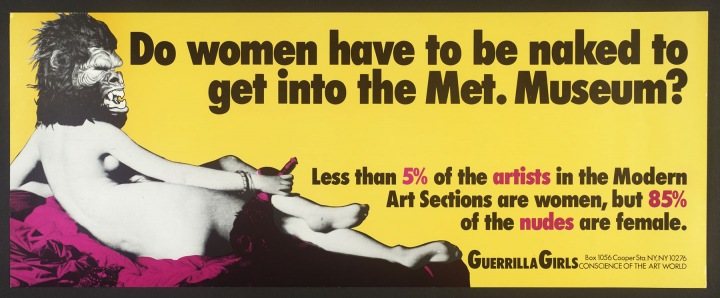
(Fig. 1. Do Women Have To Be Naked To Get Into the Met. Museum? (1989))

The poststructuralism movement came in response to the structuralism movement, it arose in the 1960s in France, it started as a movement in philosophy and literature. It began emerging in other art forms over time. It came together using the deconstructional ideas of Jacques Derrida, anthropological theories of Creuda Levi-Strauss, and the linguists from Ferdinand de Saussure. It declares that a code of principles, will allude to a meaning, they act together without any input from a world outside. 

Barthes started by discussing the origins of the word ‘image’, which is from imitari, meaning to imitate. According to Barthes, an image will contain three messages. He uses a Panzani advert to illustrate this. The first message takes its form as linguistic. This is basically the text that supports the image. This message takes two forms, connotational and denotational. Often what is signified can depend on the viewers interpretation and our culture. The second message is iconic. Which is to do with the signifiers, mainly what is photographed. The third message is to do with the relationship between the signifiers and what is signified. So the three messages are linguistically, a coded iconic and non-coded iconic message. 

Portraying reality in art can be difficult, but in photography it should be easy as the camera records what we see. But reality can be manipulated. It is easier especially with digital image, people use photo-manipulation all the time. Cameras document what they see but as soon as you edited them, are they still documenting reality? What about if you change the exposure slightly or the contrast, is it still technically reality? The tableau genre is a an example of what may seem like reality but infect is a staged scene. Yes technically, it is a record of what the camera saw, but the actual scene has been staged, so it is intact a staged reality. Photo-manipulation is often used in advertisement, images of models are edited so they look flawless. Their skin is edited to remove any imperfections, some even make the models look thinner, this is not showing reality. It is difficult sometimes in photography to see what is real, but this has been going on for a while. The series of images captured in 1917 by Polly Wright is known as the Cottingley Fairies. They feature both Elsie Wright and Frances Griffiths. The images are so realistic, that people today even still believe them. This image (see fig. 2) features a young girl with what appears to be a fairy. People were convinced that these were real fairies, and it wasn’t until the 1980s that the photographers admitted they had faked the images using images of fairies cut out of a book. Whilst the images are what the camera saw, they are not depicting the a real scene of fairies. 
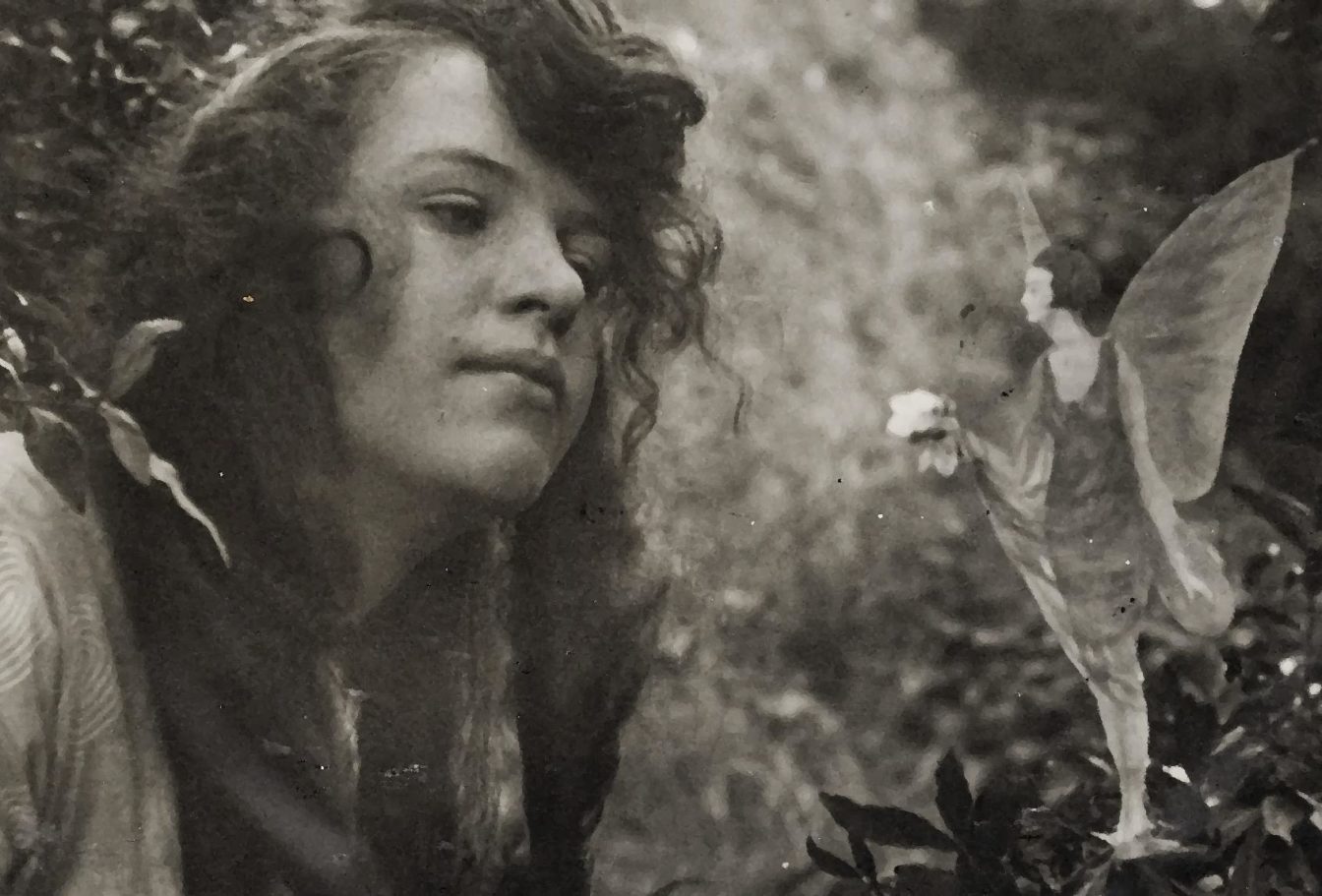
(Fig. 2. Elsie Wright and a Cottingley Fairy)

The global age has paved the way for a plethora of technological advancement which allows us to communicate and share globally. This is also important for sharing artwork. Art now has a global audience. The internet is the perfect platform for sharing photographs, there are many photo-sharing websites. Artists are now using this format to share and market their work. Whereas previously artist may exhibit in a gallery, now they now can exhibit online to a wider audience. It is not just artists who benefit but people in general become more aware and have become more culturally diverse. But the internet does come with a few disadvantages. It is so easy to copy an image online, so copyright infringements can and do become an issue. There are billions of images, possibly even trillions, how can your images stand out in that volume. Whilst work is accessible from almost everywhere in the world, the numbers can sometimes be against you.  


Bibliography

Art Gallery NSW. Postmodernism. At: https://www.artgallerynsw.gov.au/education/learning-resources/education-kids/photography/postmodernism (Accessed on 6th of July 2019). 

Barthes, R. (2007) ‘Rhetoric of the Image’ In: Evans & Hall (ed.) Visual Culture: A Reader. London: Sage Publications Ltd. pp. 33-40. 

Batchen, G. (1997). Burning with Desire: The Conception of Photography. USA: MIT Press. 

Bate, D. (2010) ‘The Memory of Photography’ In: Taylor & Francis Online. 6th of September 2010. [Online]. At: https://www.tandfonline.com/doi/full/10.1080/17540763.2010.499609 (Accessed on 17th June 2019). 

Benjamin, W. (2007) ‘The work of art in the age of mechanical reproduction’ In: Evans & Hall (ed.) Visual Culture: A Reader. London: Sage Publications Ltd. pp. 72-79. 

Berryman, A. (2011). What is Modernism? At: https://ashleighberryman.wordpress.com/2011/01/31/what-is-modernism/ (Accessed on 6th of July 2019). 

Bibby, M. The Cottingley Fairies. At: https://www.historic-uk.com/CultureUK/The-Fairies-of-Cottingley/ (Accessed on 12th of August 2019). 

Brooks, A. (2002). Postfeminism: Feminism, Cultural Theory and Cultural Forms. London: Routledge, p. i. 

Buchanan, I. (2010). ‘Nihilism’ In: A Dictionary of Critical Theory. Oxford: Oxford University Press. 

Crimp, D. (19993) On The Museum’s Ruins. Massachusetts: MIT Press, p. 108-124.

Dillet, B. I. MacKenzie & R. Porter. (2013) The Edinburgh Companion To Poststructuralism. Edinburgh: Edinburgh University Press. 

Ebert, T. L. (1991). ‘The “Difference” of Postmodern Feminism’. In” College English (Vol. 53, No. 8) pp. 886-904. [Online]. At: https://www.jstor.org/stable/377692 (Accessed on 16th of July 2019). 

Edwards, E. & J. Hart. (2004). Photographs Objects Histories: On the materiality of Images. London: Routledge, pp. 1-15. 

Encyclopaedia Britannica. ‘Poststructuralism’ [Online] At: https://www.britannica.com/art/poststructuralism (Accessed on 19th of June 2019). 

Encyclopaedia Britannica. ‘Poststructuralism’. [Online]. At: https://www.britannica.com/art/poststructalism (Accessed on 19th of June 2019). 

Green, J. (1978). ‘Photography as Popular Culture’ In: Journal of The University Film Association. Vol. 30, No. 4. [Online]. At: https://www.jstor.org/stable/20687447 (Accessed on 10th of July 2019).  

Howells, R. (2011) Visual Culture: A Reader. Cambridge: Polity Press, pp. 183-206. 

Irvine, M. Approaches to Po-Mo. At: faculty.georgetown.edu/irvinem/theory/pomo.htm/ (Accessed on 19th of June 2019). 

Killen, B. (2010). Postmodernism – Deconstruction and Fine Art Photography. At: http://www.bobkillenphotographyblog.com/2010/06/postmodernism-deconstruction-and-fine-art-photography/ (Accessed on 10th of July 2019). 

Kracauer, S. (1995) The Mass Ornament: Weimar Essays. London: Harvard University Press. p. 58. 

Marien, M. W. (2006). Photography: A Cultural History (2nd edn). London: Laurence King Publishing Ltd. pp. 302. 

McHugh, N. A. & P. Leaman. (2007). Feminist Philosophies A-Z. Edinburgh: Edinburgh University Press, pp. 100-103. 

MDC. History of Modernism. At: https://www.mdc.edu/wolfson/Academic/ArtsLetters/art-philosophy/Humanities/history_of_modernism.htm (Accessed on 19th of June 2019).
P1. (2014) Postmodernist Art and Photography. At: https://www.photographicinspirations2014.wordpress.com/2014/03.31/postmodernist-art-and-photography/ (Accessed on 6th of July 2019). 

Sekula, A. (2007). ‘Reading an archive: photography between labour and capital’. In: Evans & Hall (ed.) Visual Culture: A Reader. London: Sage Publications Ltd. pp. 181-192. 

Tam, P. So Long As They Are Wild. Catherine Opie. At: Art Asia pacific.com/magazine/WebExclusive/SoLongAsTheyAreWild (Accessed on 24th of July 2019). 

Tate. Art Term – Modernism. At: https://www.tate.org.uk/art/art-terms/m/modernism (Accessed on 19th of June 2019). 

Tate. Art Term – Postmodernism. At: https://www.tate.org.uk/art/art-terms/p/postmodernism (Accessed on 19th of June 2019). 

Tate. Art Term – Modernism. At: https://www.tate.org.uk/art/art-terms/m/modernism (Accessed on: 19th of June 2019). 

Tate. Art Term – Postmodernism. At: https://www.tate.org.uk/art/art-terms/p/postmodernism (Accessed on 19th of June 2019). 

Tate. Catherine Opie. At: htttps://www.tate.org.uk/art/artists/Catherine-opie-4641 (Accessed on 24th of July 2019). 

The Art Story. Modern Photography. At: https://www.theartstory.org/movement-modern-photography.htm (Accessed on 6th of July 2019). 

Tsui, E. (2018). Yosemite in all its intimacy: feminist photographer Catherine Opie’s first solo Hong Kong show features Western landscapes. At: https://www.scmp.com/culture/arts-entertainment/articles/2147211/Yosemite-all-its-intimacy-feminist-photographer-Catherine (Accessed on 24th of July 2019).
V&A. What is Postmodernism? At: https://www.vam.ac.uk/articles/what-is-postmodernism (Accessed on 19th of June 2019). 

V&A. What is Postmodernism? At: https://www.vam.ac.uk/articles/what-is-postmodernism (Accessed on 19th of June 2019). 

V&A. What is Postmodernism? At: https://www.vam.ac.uk/articles/what-is-Postmoderism (Accessed on 19th of June 2019). 

V&A. What was Modernism? At: https://www.vam.ac.uk/articles/what-was-Modernism (Accessed on 19th of June 2019). 

V&A. What was Modernism? At: https://www.vam.ac.uk/articles/what-was-modernism (Accessed on 19th of June 2019). 

Willette, J. S. M. (2012). Postmodernism in Photography. At: https://arthistoryunstuffed.com/postmodernism-in-photography/ (Accessed on 6th of July 2019). 

Woodward, D. (2016). The Artist using Landscape to make a Bold Feminist Statement. At: https://www.anothermag.com/art-photography/8790/the-Artist-using-landscape-to-make-a-bold-feminist-statement (Accessed on 25th of July 2019).


Figures

Fig. 1. Guerrilla Girls. (1989) Do Women Have To Be Naked To Get Into the Met. Museum? [Photograph – Online]. At: https://www.tate.org.uk/art/artists/guerrilla-girls-6858/who-are-guerrilla-girls (Accessed on 13th of August 2019).

Fig. 2. Wright, P. Elsie Wright and a Cottingley Fairy. [Photograph – Online]. At: https://www.historic-uk.com/CultureUK/The-Fairies-of-Cottingley/ (Accessed 13th of August 2019).  
Marie Yates

Marie Yates  

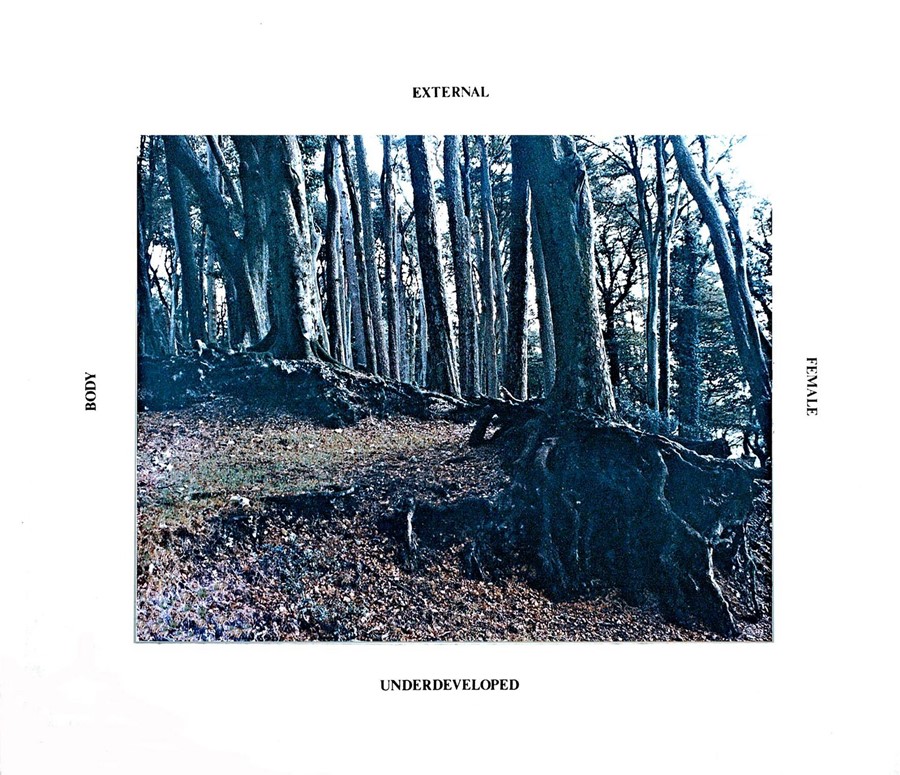
Marie Yates is a British photographer who investigates representation of certain groups of people, in particular women. She was a founding artist of the conceptual feminist art. She uses several techniques and combines text and her images. She started out as a painter but went onto study fine art. She found is difficult to be an artist in a male dominated world, these feelings remained even as she became a photographer. Her 1976 work Oppositional Frameworks 1(see fig. 1) , shows a forest with four words around the image; external, female, underdeveloped, body.

(Fig. 1 Oppositional Frameworks 1 (1976))

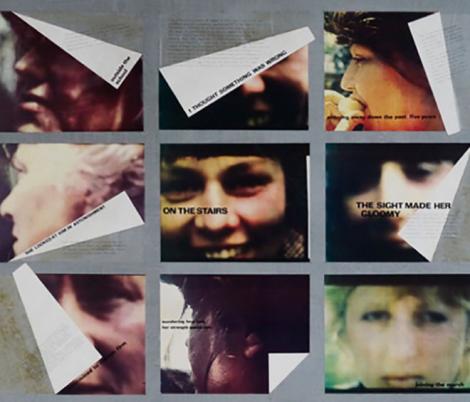
She is using the trees as a metaphor for the female figure. It is interesting as she is using landscapes combined with text to make her point, there is no people shown. The image itself is quite banal, it is just a scene from a forest, it is not picturesque or what you would expect, but it works. Another series that she address feminism in is Image/Woman/Text (see fig. 2), which shows images of women which have been covered with text.

(Fig. 2. Image/Woman/Text (1979))

Her aim was to look at the preconceptions people have about women. This is quite a task as in society it seems to be ingrained in us to question everything a woman does, as if she has to justify just living. Women are often held to extreme expectations, which makes it hard to be yourself, it becomes a difficult world for young girls to grow up in. It is something that needs addressing, and Yates does this in a creative way, which draws your attention away from the women to the text. The actual images of the women are cropped, blurry or obscured, the women have lost their identity by doing this. Preconceptions are usually completely off, and they put a woman in a difficult state of mind, this hasn’t changed over time, this problem still remains. But Yates managed to note it in 1979. Even though it was a completely different time to it is now, the problem still remains. 


Bibliography

Woodward, D. (2016). The Artist using Landscape to make a Bold Feminist Statement. At: https://www.anothermag.com/art-photography/8790/the-Artist-using-landscape-to-make-a-bold-feminist-statement (Accessed on 25th of July 2019).  

Yates, M. (1984-1985). The Only Woman. [Photograph – Online]. At: www.users.otenet.gr/~mates/theonlywomanproject.html (Accessed on 25th of July 2019). 

Yates, M. (1989). Both Sides Now. At: www.users.otenet.gr/~mystery/bothsidesnowproject.html (Accessed on 25th of July 2019).  

Yates, M. (1982). The Missing Woman. [Photograph – Online]. At: www.users.otenet.gr/~myates/themissingwomanproject.html (Accessed on 25th on July 2019).


Figures  

Fig. 1. Yates, M. (1976). Oppositional Frameworks 1. [Photograph – Online]. At: www.otenet.gr/~mystery/signalsproject1975.html (Accessed on 25th of July 2019). 

Fig. 2. Yates, M. (1979). Image/Woman/Text. [Photograph – Online]. At: www.users.otenet.gr/~myates/imagewomantextproject.html (Accessed on 25th of July 2019). 

Tim Hall

Tim Hall  

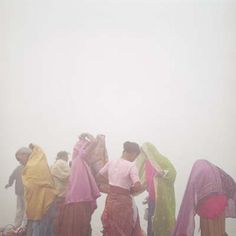
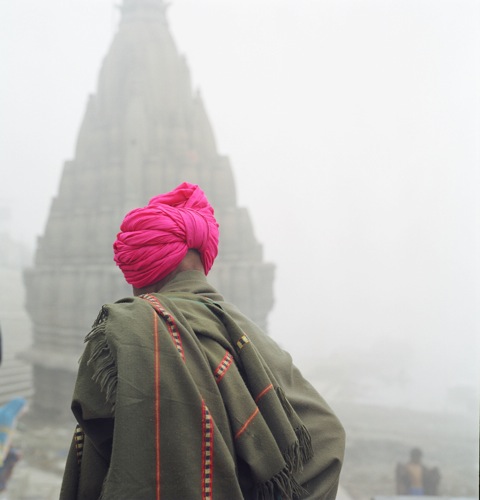
Tim Hall photographed a ‘pilgrimage’ on the banks of the River Ganges, in India. Hall stated that he became fascinated by the mass of humanity there, he believes that religion provides the answer. I like his images as they are candid images, as they show people carrying on with their lives. But some of his images are very misty for example Ganges (see fig. 1) and Turban (see fig. 2), it gives the image a unique and mysterious look, it is very effective.

(Fig. 1. Ganges)
(Fig. 2. Turban)

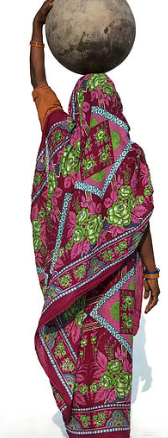
The series contains a mixture of colour and black and white images, personally I prefer the colour images are they really stand out against the misty background. The majority of his images contain people, there is the odd one which shows the landscape, I do not feel they are consistent with there rest of the series. The images that make the series flow are the colour one depicting people in the Ganges. They are clear but hold a mysterious quality. I found one image, Water Carrier (see fig. 3), that doesn’t really make the rest, it looks as if it was taken in a studio, it just gives the series a slight inconsistent feel to it.

(Fig, 3. Water Carrier)

Bibliography

Hall, T. Pilgrimage. At: www.timhallphotography.com/-/galleries/Varanasi/ (Accessed on 6th of July 2019).


Figures

Fig. 1. Hall, T. Ganges. [Photograph – Online]. At: http://www.timhallphotography.com/-/galleries/varanasi (Accessed on 6th of July 2019). 

Fig. 2. Hall, T. Turban. [Photograph – Online]. At: http://www.timhallphotography.com/-/galleries/varanasi (Accessed on 6th of July 2019). 

Fig. 3. Hall, T. Water Carrier. [Photograph – Online]. At: http://www.timhallphotography.com/-/galleries/fine-art-limited-edition-prints-by-tim-hall/fine-art-photographs-of-india-and-ganges (Accessed on 6th of July 2019). 

Muhammad Sadiq Bey

Muhammad Sadiq Bey

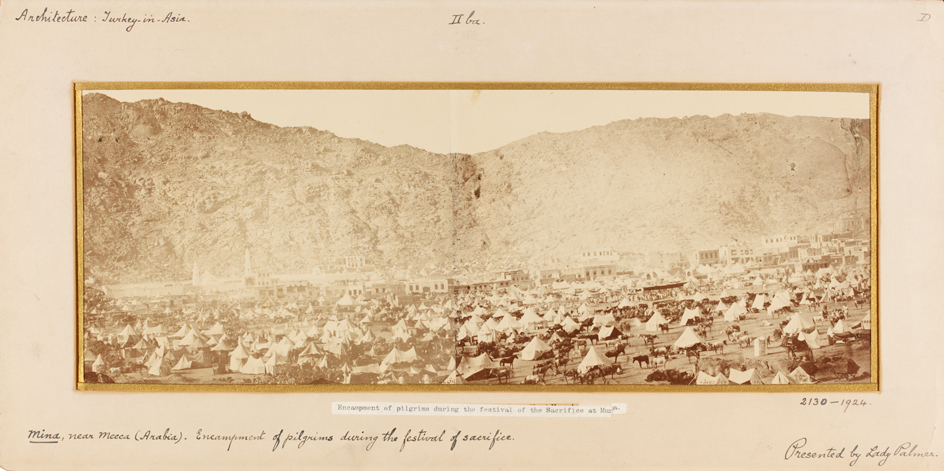
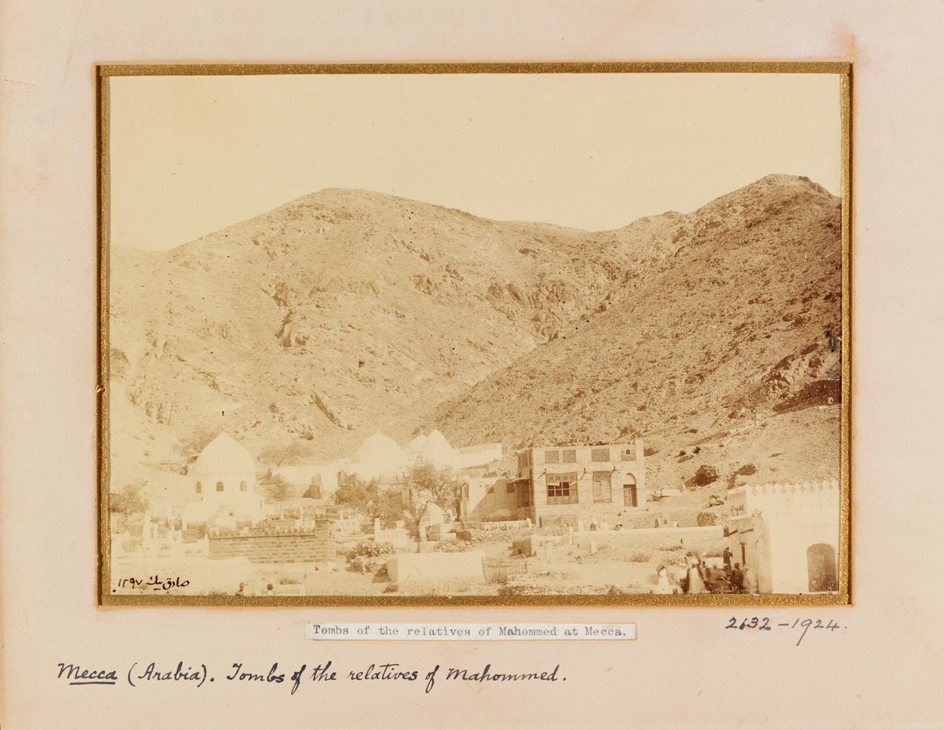
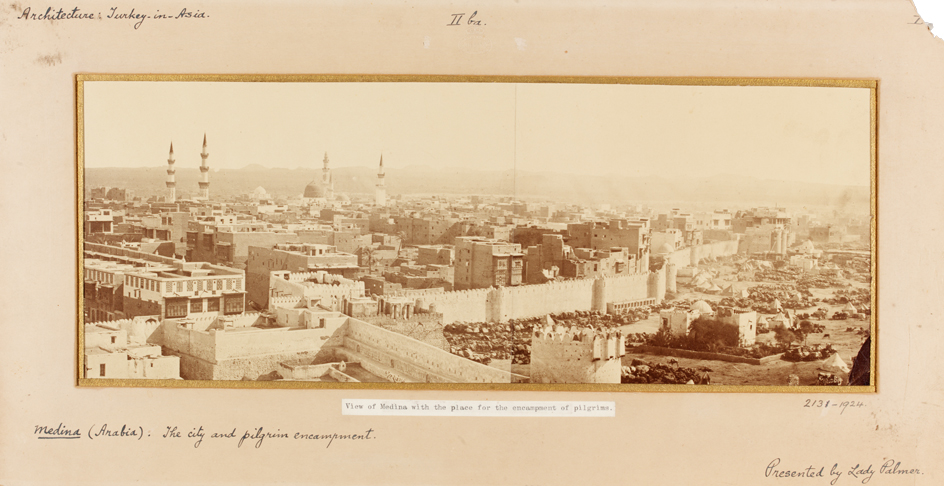
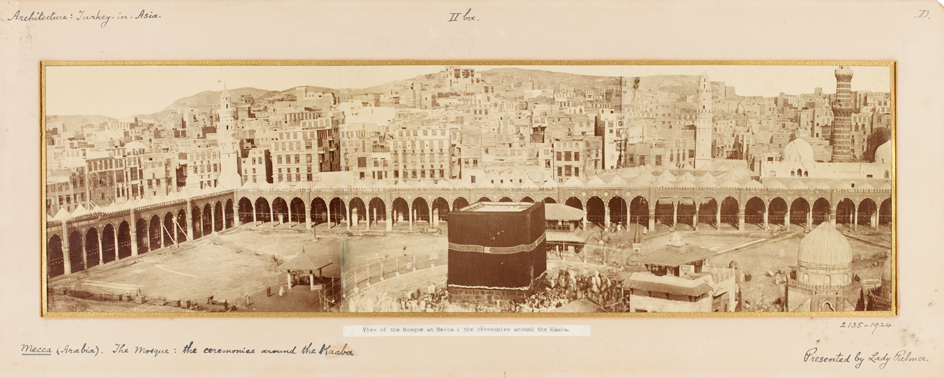
Muhammad Sadiq Bey was one of the first photographer to photograph the pilgrimage to Mecca. Bey took images using a wet-plate collodion camera, which used glass plate negatives. His photographs include images of the exterior and interiors of both Medina and Mecca. He also took a stunning panoramic image of the holy mosque at Mecca. His images are taken from an insider perspective which does give them value. He is showing the area, more than the actual pilgrims, but he is a pilgrim, so his images are actually documenting his journey. We get an insider view of undertaking the Hajj, which is interesting in an anthropological viewpoint but also the images are aesthetically interesting. His images were inspiring as they followed a pilgrimage, which is what I want to do (see figures).

(Fig. 1. Mina, near Mecca (Arabia) (1924))
(Fig. 2. Mecca (Arabia) (1924))
(Fig. 3. Medina (Arabia) (1924))
(Fig. 4. Mecca (Arabia) The Mosque (1924))

Bibliography

The British Museum. Photographers of the Hajj. At: https://www.britishmuseum.org/explore/themes/hajj/narratives/photography_and_the_hajj.aspx (Accessed on 6th of July 2019).


Figures

Fig. 1. Bey, M. S. (1924). Mina, near Mecca (Arabia). [Photograph – Online]. At: https://www.britishmuseum.org/explore/themes/hajj/narratives/photography_and_the_hajj.aspx (Accessed on 6th of July 2019). 

Fig. 2. Bey, M. S. (1924). Mecca (Arabia). [Photograph – Online]. At: https://www.britishmuseum.org/explore/themes/hajj/narratives/photography_and_the_hajj.aspx (Accessed on 6th of July 2019). 

Fig. 3. Bey, M. S. (1924). Medina (Arabia). [Photograph – Online]. At: https://www.britishmuseum.org/explore/themes/hajj/narratives/photography_and_the_hajj.aspx (Accessed on 6th of July 2019). 

Fig. 4. Bey, M. S. (1924). Mecca (Arabia) The Mosque. [Photograph – Online]. At: https://www.britishmuseum.org/explore/themes/hajj/narratives/photography_and_the_hajj.aspx (Accessed on 6th of July 2019). 

Annie Leibovitz

Annie Leibovitz

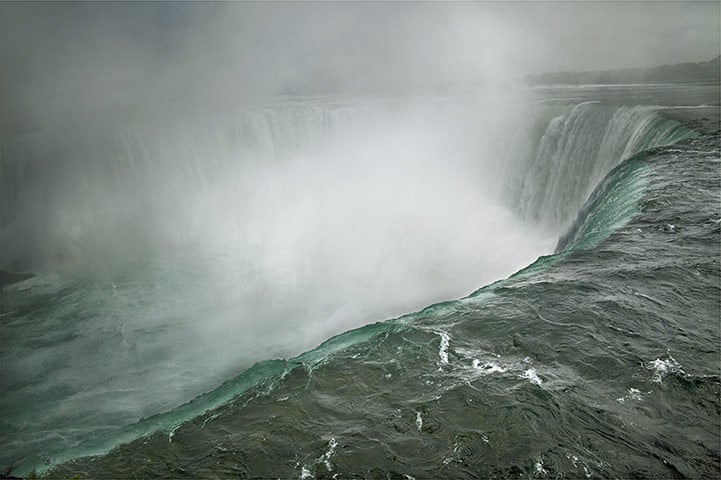
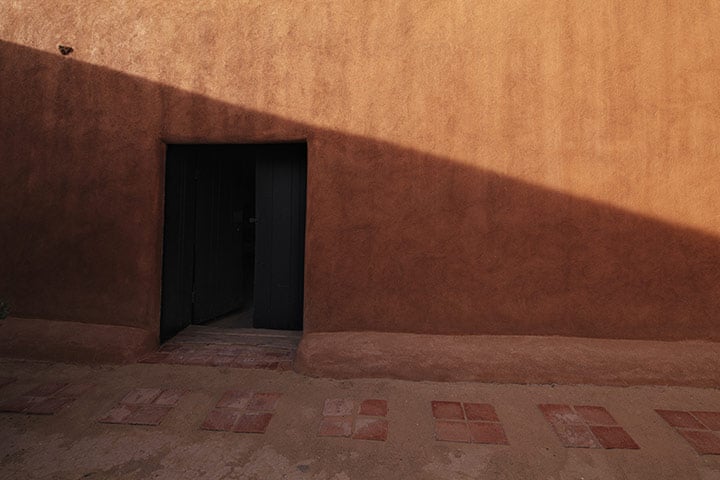
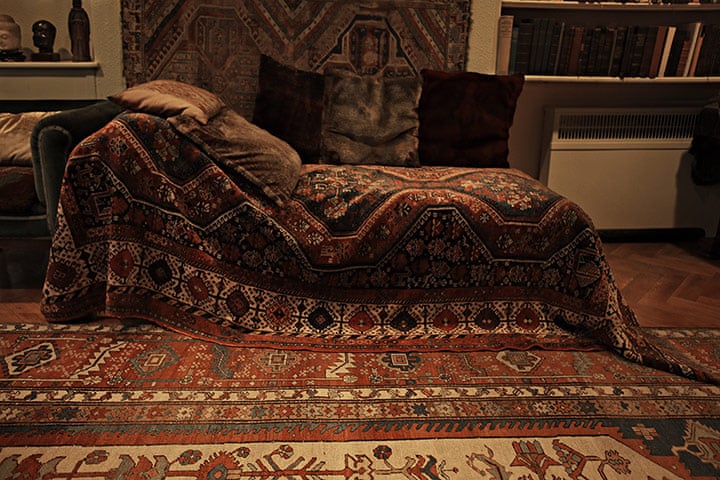
Pilgrimages aren’t always a religious journey. Many artists have used the premise for exploring their spiritual journey. One such artist, is Annie Leibovitz, with her series entitled Pilgrimage. Leibovitz created this series by photographing places with meaning to her, it allowed her travel without an agenda; it also became her first primarily digital series. None of her images in this series contain people, but they do contains traces of life. She explored places such as Niagara Falls (see fig. 1) and Georgia O’Keeffe’s house (see fig. 2). She also photographed objects like Sigmund Freud’s couch (see fig. 3). The results are a truly personal project which show portraits of the past, without featuring people. I found her images interesting especially the museum pieces, as the light she utilises was very atmospheric. But I did find some of the images more like snapshots that any one could take, for example her image of Niagara Falls; it was as if no thought had gone into the image process. The series doesn’t feel complete, it doesn’t feel like there is a consistent narrative. Whilst I understand it document her journey, I think it would be beneficial to have more consistency. I found a copy of the book, the major problem is that the images and text don’t often match up, which makes it difficult to fully engage with the project.

(Fig. 1. Niagra Falls (2009))
(Fig. 2. Door in abode wall at Georgia O’Keeffe’s home (2011))
(Fig. 3. Sigmund Freud’s Couch (2009))

Bibliography

Hamilton’s Gallery. Annie Leibovitz. At: www.hamiltonsgallery.com/artists/Annie-Leibovitz/series/pilgrimage/ (Accessed on 6th of July 2019).

Wood, G. (2011). Pilgrimage by Annie Leibovitz: review. At: www.telegraph.co.uk/culture/books/bookreviews/8928816/pilgrimage-by-Annie-Leibovitz-review.html/ (Accessed on 6th of July 2019).


Figures

Fig. 1. Leibovitz, A. (2009). Niagra Falls. [Photograph – Online]. At: https://www.theguardian.com/theobserver/gallery/2012/jun/03/annie-leibovitz-pilgrimage-photographs-gallery (Accessed on 6th of July 2019). 

Fig. 2. Leibovitz, A. (2011). Door in abode wall at Georgia O’Keeffe’s home. [Photograph – Online]. At: https://www.theguardian.com/theobserver/gallery/2012/jun/03/annie-leibovitz-pilgrimage-photographs-gallery (Accessed on 6th of July 2019).

Fig. 3. Leibovitz, A. (2009). Sigmund Freud’s Couch. [Photography Online]. At: https://www.theguardian.com/theobserver/gallery/2012/jun/03/annie-leibovitz-pilgrimage-photographs-gallery (Accessed on 6th of July 2019).

Karen Miranda-Rivadeneira

Karen Miranda-Rivadeneira

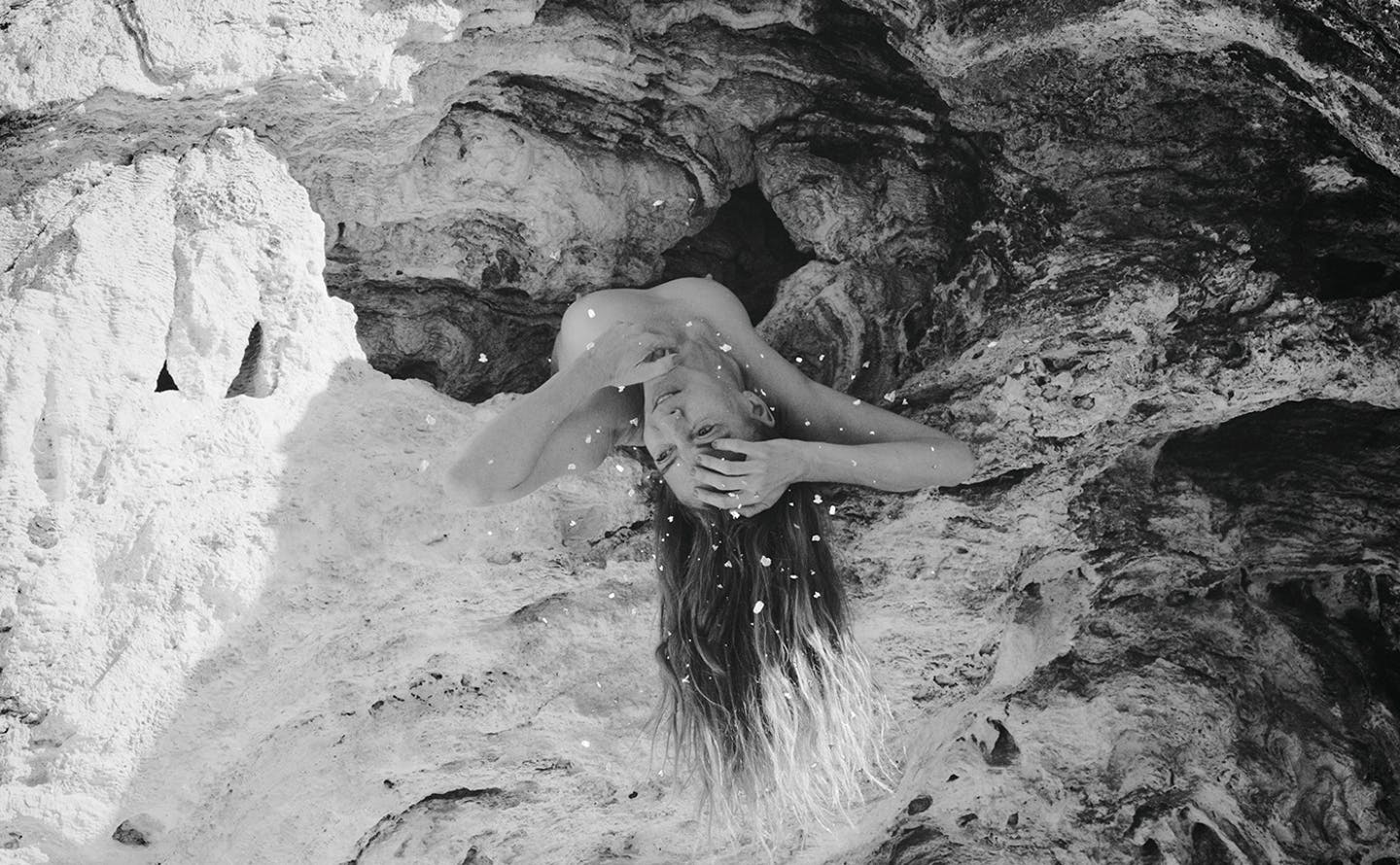
Karen Miranda-Rivadeneira is a Photography who looks at identity, memory, feminity, and memories in particular in nature. Her landscapes are engaging and though provoking, in her series MEDA, her images show the body embedded in the landscape. The female body and nature unite and become one. She is using the body as a metaphor for knowledge. It is a symbol for knowledge and being at one the land. She is also comparing the female body and the land as nature is not the first land we live in, the body is. They share similarities. Stardust Woman (see fig. 1) reminds me of a far away galaxy. The swirls of the rock teamed with the ‘stardust’, looks like something cosmic.

(Fig. 1. Stardust Woman (2018-2019))

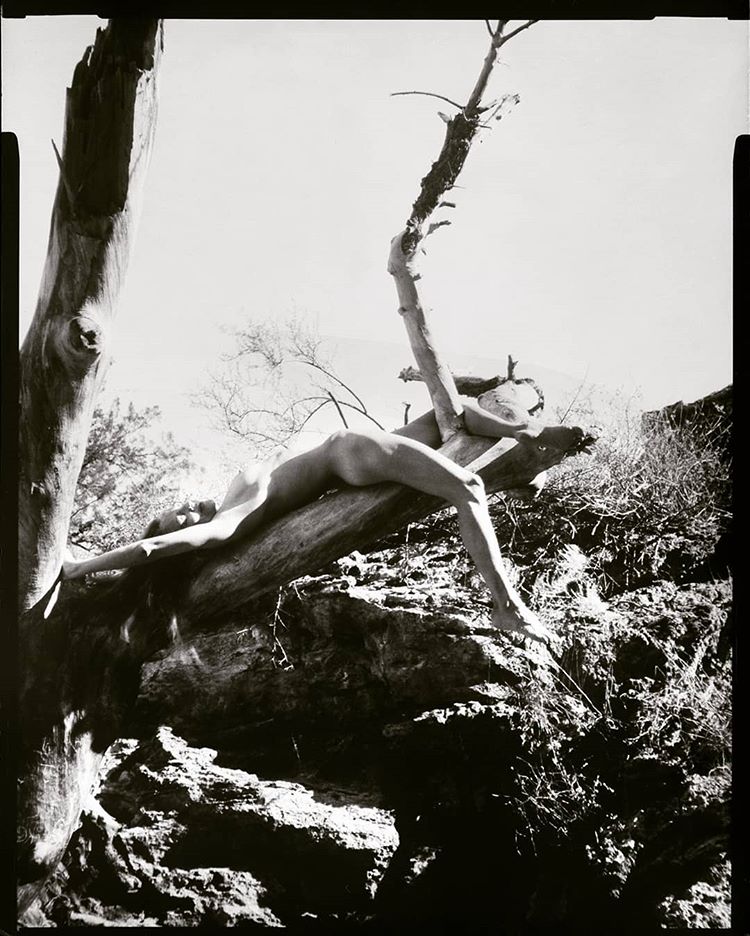
The image from the series I like the most shows a women tangled among the branches. Th woman looks like an extension of the tree (see fig. 2). Her limbs blend with the limbs of the tree.

(Fig. 2. Untitled (2018-2019))

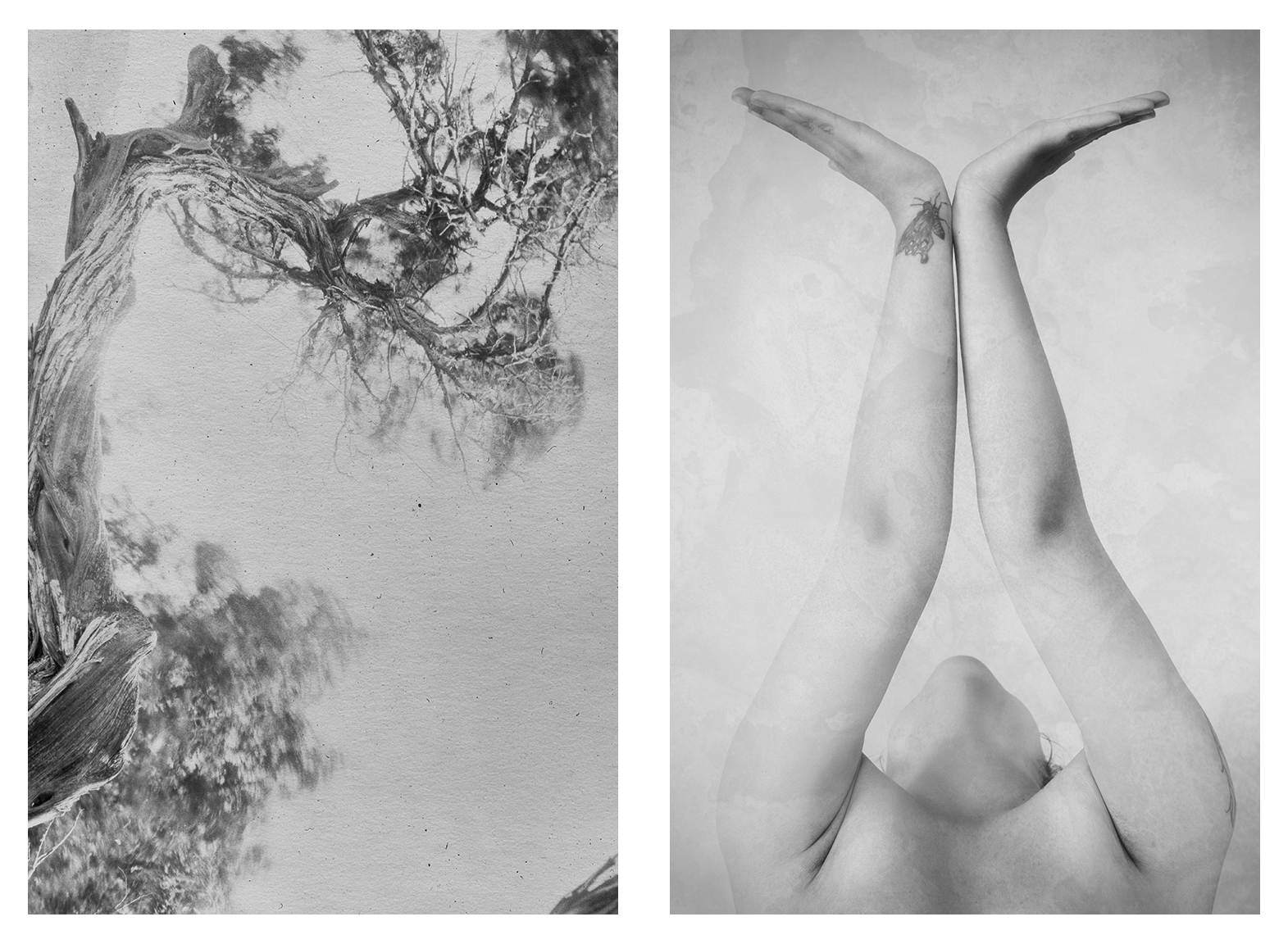
In her series Rowing Chants, Rivadeneira uses it as a chance to document her personal journey in Toas. This series only contains seven images, and for Rivadeneira it is her thank you to nature. Each image is presented with two images and with a poem. One image is of nature and the other is a female body. La Medida (see fig. 3) shows trees branches reaching to the sky, in the other image is a woman reaching her arms up to the sky. One line of the accompanying text states, “the outline of my body is always the inline of nature” (Miranda-Rivadeneira (2019)).

(Fig. 3. La Medida)

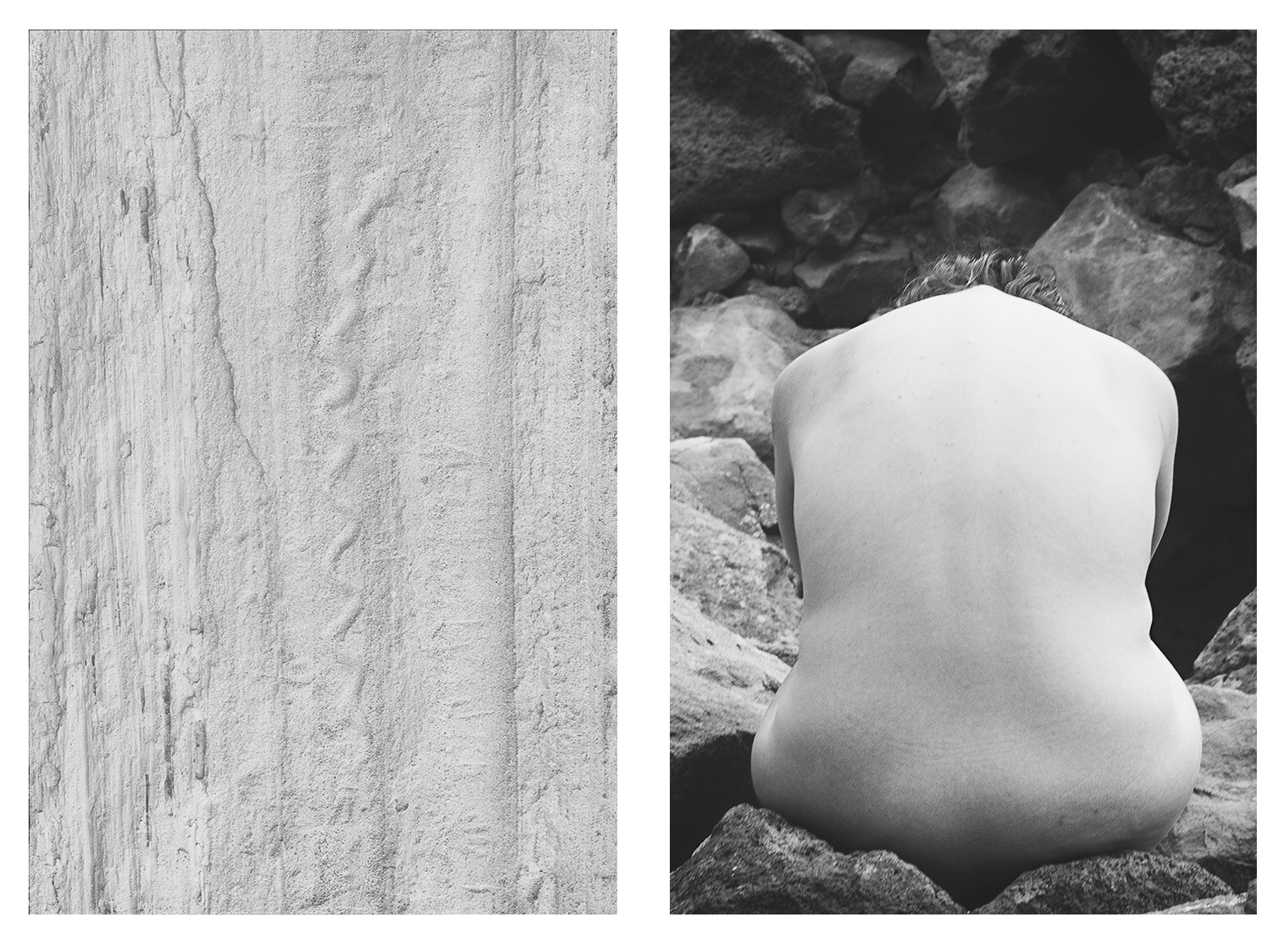
The next images is entitled 13:42 (see fig. 4), and shows a textured wall next to the back of a woman. Her images are comparing the body to nature. 

(Fig. 4. 13:42 (2019))

The contrast between nature and the female body is a strong one. The artist is saying that this is how close she feels to nature, how we and nature can become one.


Bibliography

LensCulture. About Karen Miranda-Rivadeneira. At: https://www.lensculture.com/Karen-Miranda-Rivadeneira (Accessed on 25th of July 2019).

Miranda-Rivadeneira, K. Stories. At: www.insgain.com/user/karenmirandarivadeneira/495640902 (Accessed on 25th of July 2019). 

Miranda-Rivadeneira, K. (2019). MEDA. At: https://phmuseum.com/katenmiranda/story/MEDA-/b24faf75e (Accessed on 25th of July 2019). 


Figures

Fig. 1. Miranda-Rivadeneira, K. (2018-2019). Stardust Woman. [Photography – Online]. At: https://phmuseum.com/katenmiranda/story/MEDA-1624faf75e(Accessed on 25th of July 2019). 

Fig. 2. Miranda-Rivadeneira, K. (2018-2019). Untitled. [Photograph – Online]. At: phmuseum.com/karenmiranda/story/MEDA-1b24faf75e(Accessed on 25th of July 2019). 

Fig. 3. Miranda-Rivadeneira, K. La medida. [Photograph – Online]. At: karenmiranda.com/rowing-chants(Accessed on 25th of July 2019). 

Fig. 4. Miranda-Rivadeneira, K. (2019). 13:42. [Photography – Online]. At: karenmiranda.com/karenmiranda.com/rowing-chants(Accessed on 25th of July 2019). 

Catherine Opie

Catherine Opie

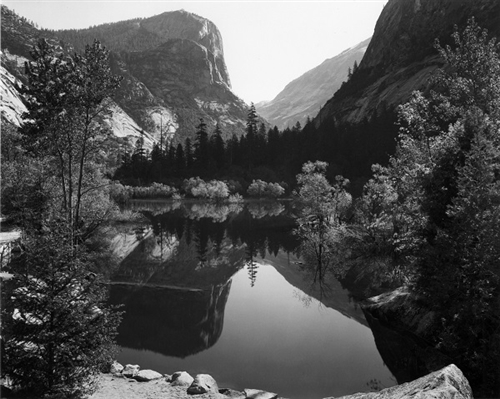
Catherine Opie is an American photographer who investigates issues surrounding feminism, whilst utilising portraiture and landscape photography. Opie’s series, As long as they are wild, documents her exploration of Yosemite National Park as a feminist. The series is a mixture of in focus or blurry images. There is no text, so the images are hard to pin point, as there is no narrative. There are purely landscapes, there are no people. At face value, you could look at her images are think they were taken by someone on holiday, someone who got the composure wrong, who didn’t focus them, basically images that would be binned when editing. But when you look deeper, you can see her reasoning. Her images, in particular Untitled #2 (see fig 1), reminds me of Ansel Adam’s Mirror Lake (see fig. 2). Whereas Adams images are sharp, in focus and meticulously detailed, Opies is blurry. Adam’s image is through a male gaze, it is perfect. It is almost as if she is doing the exact opposite, as if her images could never be taken through a male gaze, as they are not perfect. They are through a female gaze, fighting against the traditions.

(Fig. 1. Untitled #2 (2015))
(Fig. 2. Mirror Lake (1925))

Her images hold an uncertainty, there is nothing to go on, they show vulnerability and even loss. It strikes as she is taking a stand against the traditions of landscape photography, but also shows almost her loss of identity. I like her series as they hold a deeper more complex meaning, one which has been influential in my body of work. 


Bibliography

Tam, P. So Long As They Are Wild. Catherine Opie. At: Art Asia pacific.com/magazine/WebExclusive/SoLongAsTheyAreWild (Accessed on 24th of July 2019). 

Tate. Catherine Opie. At: htttps://www.tate.org.uk/art/artists/Catherine-opie-4641 (Accessed on 24th of July 2019). 

Tsui, E. (2018). Yosemite in all its intimacy: feminist photographer Catherine Opie’s first solo .hong Kong show features Western landscapes. At: https://www.scmp.com/culture/arts-entertainment/articles/2147211/Yosemite-all-its-intimacy-feminist-photographer-Catherine (Accessed on 24th of July 2019).


Figures

Fig. 1. Opie, C. (2015). Untitled #2 (Yosemite Valley). [Photograph – Online]. At: https://ocula.com/art-galleries/Lehmann-mauling/artworks/Catherine-opie/Untitled-2-yosemite-valley/ (Accessed on 24th of July 2019). 

Fig. 2. Adams, A. (1925). Mirror Lake. [Photograph – Online]. At: https://shop.anseladams.com/mirror_lake_signed_special_edition_photograph_p/1701807106.htm (Accessed 24th of July 2019).